Dog Not Eating for 2 Days? When to See the Vet
Yes, a dog not eating for 2 days should see a veterinarian, even if they seem fine otherwise. Most healthy adult dogs rarely skip more than a meal or two, so 48 hours without food usually means something is bothering them, whether that’s an upset stomach, dental pain, stress, or an illness that hasn’t shown other symptoms yet. A dog who stops eating can be frustrating and worrying, especially when you can’t tell if they’re being picky or truly feeling sick. At Denver Metro Animal Hospital and Urgent Care, appetite loss is one of the most common concerns we see, and catching the cause early often makes treatment simpler. Below, we explain what can cause a dog not eating for 2 days, why tempting them with special foods can backfire, what it means when your dog keeps drinking water, and the symptoms that should move your dog to the front of the line.
What Can Cause a Dog to Not Eat for 2 Days?
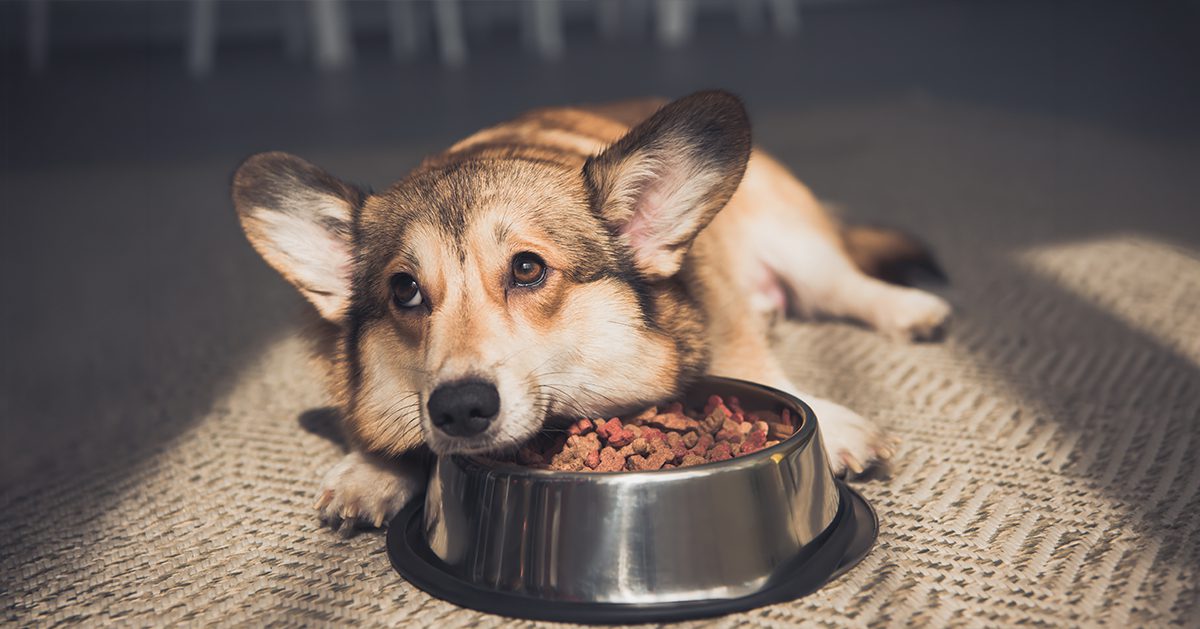
When you have a dog not eating for 2 days, remember that appetite loss (veterinarians call it anorexia or hyporexia) is a symptom rather than a diagnosis, and the list of possible triggers is long.
Medical Reasons Behind a Lost Appetite
Many health problems make food unappealing, either because your dog feels nauseated or because eating hurts. Some of the most common medical causes of a dog not eating for 2 days include:
- Dental disease, a broken tooth, or a sore in the mouth
- Gastrointestinal upset from eating garbage, bones, or something found outdoors
- A foreign object lodged in the stomach or intestines
- Pancreatitis, which often follows a rich or fatty meal
- Infections, including tick-borne diseases and respiratory illnesses
- Kidney, liver, or heart disease
- Pain from arthritis, a back injury, or a recent surgery
- Cancer and other chronic conditions that develop gradually
Stress, Routine Changes, and Other Non-Medical Triggers
Not every case starts with an illness. Dogs are creatures of habit, and a move, a new baby, a houseguest, boarding, or the loss of a companion animal can all dampen their interest in food. Loud events like Fourth of July fireworks or a summer thunderstorm rolling in off the Front Range can rattle anxious dogs for a day or more. A sudden diet switch may also cause a dog to turn up their nose at the bowl. Even so, stress alone rarely explains a full two days of refusing food, and it’s risky to assume it’s behavioral without ruling out a medical problem first.
What to Give a Dog Who Is Refusing to Eat
When your dog won’t touch their kibble, it’s tempting to raid the fridge for something irresistible, but that instinct can create new problems.
Why Tempting Treats Can Backfire
Offering bacon, rotisserie chicken skin, cheese, or table scraps might get your dog to eat, yet rich, fatty foods are a well-known trigger for pancreatitis, a painful condition that itself causes appetite loss and vomiting. Some human foods also contain ingredients that are toxic to dogs, such as onions, garlic, grapes, and certain sweeteners. And if your dog eats a special treat but still refuses their regular diet, you may mistakenly believe the problem has resolved while an underlying illness keeps progressing.
Skip the Medicine Cabinet
Please don’t give your dog human medications, supplements, or online appetite remedies to coax them into eating. Many common pain relievers and stomach products are dangerous for dogs, and the right approach depends entirely on what’s causing the problem. A remedy that seems harmless for a dog with mild stress could be harmful for a dog with kidney disease or an intestinal blockage. When you’re caring for a dog not eating for 2 days, the safest move is to call your veterinarian before offering anything new, including over-the-counter digestive aids or herbal products.
How Your Veterinarian Can Help
Once your veterinarian identifies the reason your dog has stopped eating, they have safe, targeted tools available. Depending on the diagnosis, that might include prescription anti-nausea medication, an appetite stimulant, fluid therapy for dehydration, dental treatment, or a therapeutic diet designed for a specific condition. Our team at Denver Metro Animal Hospital and Urgent Care will walk you through a feeding plan that fits your dog’s needs, so you aren’t left guessing at home.
Is It Normal for a Dog to Not Eat Food for 3 Days While Still Drinking Water?
No, three days without food is not normal for a dog, even when they’re still drinking.
Why Drinking Doesn’t Rule Out a Problem
Water intake is reassuring in one sense, because it lowers the immediate risk of dehydration. However, plenty of serious conditions allow a dog to keep drinking while their appetite disappears. In fact, a dog who skips meals but drinks more than usual may be showing an important clue. Increased thirst paired with poor appetite can point to kidney disease, diabetes, liver problems, or hormonal disorders like Cushing’s disease. In unspayed female dogs, it can also signal pyometra, a life-threatening uterine infection that typically requires emergency surgery.
What Happens When Fasting Goes On Too Long
Going without food stresses the body in ways you can’t see from the outside. Dogs who don’t eat for several days lose muscle mass, their immune response weakens, and their energy reserves drop. Puppies and toy breeds are especially vulnerable, since they can develop dangerously low blood sugar much faster than larger adult dogs. Senior dogs and those with existing health conditions also have less reserve to draw on. By day three, the conversation shifts from “let’s wait and see” to “your dog needs an exam today.” If a dog not eating for 2 days reaches that third morning without improvement, call your veterinarian rather than waiting through the weekend.
What If Your Dog Is Not Eating for 2 Days but Is Drinking Water?
A dog not eating for 2 days who still drinks water has crossed the line from “watch and wait” into “schedule a visit.”
Symptoms That Raise the Urgency
Your dog’s other behaviors help determine how quickly they need care. For a dog not eating for 2 days, these accompanying symptoms matter just as much as the missed meals themselves. Seek same-day or urgent attention if appetite loss comes with any of these signs:
- Vomiting, diarrhea, or attempts to vomit with nothing coming up
- A bloated, firm, or painful belly
- Lethargy, hiding, or unusual weakness
- Pale, yellow, or tacky gums
- Labored breathing or coughing
- Drinking or urinating much more or much less than normal
- Any chance your dog swallowed a toy, sock, medication, or toxin
Details Worth Sharing With Your Veterinarian
Before your appointment, take a few notes. When did your dog last eat a full meal? Have they eaten anything at all, such as treats or grass? Note how much water they seem to be drinking, any changes in their stool or urine, and whether anything in their routine or environment changed recently. If your dog takes medications or recently switched foods, bring that information along. These details help your veterinarian connect the dots faster and can reduce the number of tests needed to find the answer for your dog not eating for 2 days.
It’s also worth mentioning if your dog seems interested in food but walks away after a sniff or a bite. That pattern often points toward nausea or mouth pain rather than a lack of hunger, and it gives your veterinary team a valuable starting point.
Getting Help for Your Dog’s Appetite Loss in Denver
A dog not eating for 2 days deserves a professional look, and the sooner you schedule an exam, the sooner your pup can feel like themselves again. Denver Metro Animal Hospital and Urgent Care provides both wellness visits and urgent care, so your dog can be seen promptly when their appetite suddenly disappears. Our veterinary team will start with a thorough physical exam, including a close look at the mouth, abdomen, and hydration status, then recommend diagnostics like bloodwork, urinalysis, or X-rays if needed. From there, we’ll create a treatment plan aimed at the root cause instead of simply masking the symptom. If your dog has skipped meals for two days or more, or you’re seeing any of the warning signs listed above, don’t wait for the problem to resolve on its own. To speak with our team or request an appointment, call our Commerce City, CO animal hospital at 303-288-4955 or our Aurora, CO animal hospital at 720-859-7788.
Recent Posts
About Us
We provide compassionate, modern veterinary care for pets at our two convenient locations in Aurora and Commerce City, CO. Our experienced team offers preventive, diagnostic, surgical, and urgent care to support pets through every stage of life.