Personalized Surgical Care: Cat & Dog Spay & Neuter in Aurora & Commerce City, CO
Bringing your pet in for surgery can make even a routine day feel like a big one. At Denver Metro Animal Hospital and Urgent Care, cat and dog spay and neuter procedures start with getting to know the patient in front of us, from their age and health to the questions you have before surgery.
Spaying and neutering can provide important health and reproductive benefits, but the right timing and surgical plan can vary from one pet to another. Our teams in Aurora and Commerce City, CO will help you decide when the procedure makes sense for your dog or cat and guide you through what to expect from drop-off through recovery.
Ready to start planning? Choose our Aurora or Commerce City location and schedule your pet’s visit.
Surgery Is Never “Just Routine”
Spay and neuter procedures may be common, but that doesn’t make your pet’s surgery ordinary to us. Denver Metro Animal Hospital and Urgent Care takes an individualized approach to veterinary medicine. Before recommending surgery, we consider your pet’s health and specific needs rather than applying the same plan to every patient.
That same mindset carries into the day of the procedure. Your pet receives our team’s attention before, during, and after surgery, and we’ll keep you informed about what comes next before you head home. Each and every patient deserves our full attention and gold-standard care, and we strive to deliver on that promise.
When Should My Pet Be Spayed or Neutered?
The best age to spay or neuter depends on the individual dog or cat rather than one universal timeline.
Cats are often spayed or neutered while they are still young, typically around 5 months of age. For dogs, timing can vary more based on breed, expected adult size, sex, health history, and lifestyle. Larger breeds generally benefit from a different timeline than smaller dogs.
During your pet’s exam, our veterinarian can help you decide when surgery makes sense based on:
-
Age and development
Your pet’s stage of growth may affect timing.
-
Breed and Adult Size
These factors can be especially important for dogs.
-
Overall Health
We want your pet healthy enough to undergo anesthesia and surgery.
-
Lifestyle
Exposure to intact animals or risk of an accidental pregnancy may affect the recommendation.
-
Medical History
Certain health concerns can influence when or whether surgery should take place.
What Should I Expect After My Pet Is Spayed or Neutered?
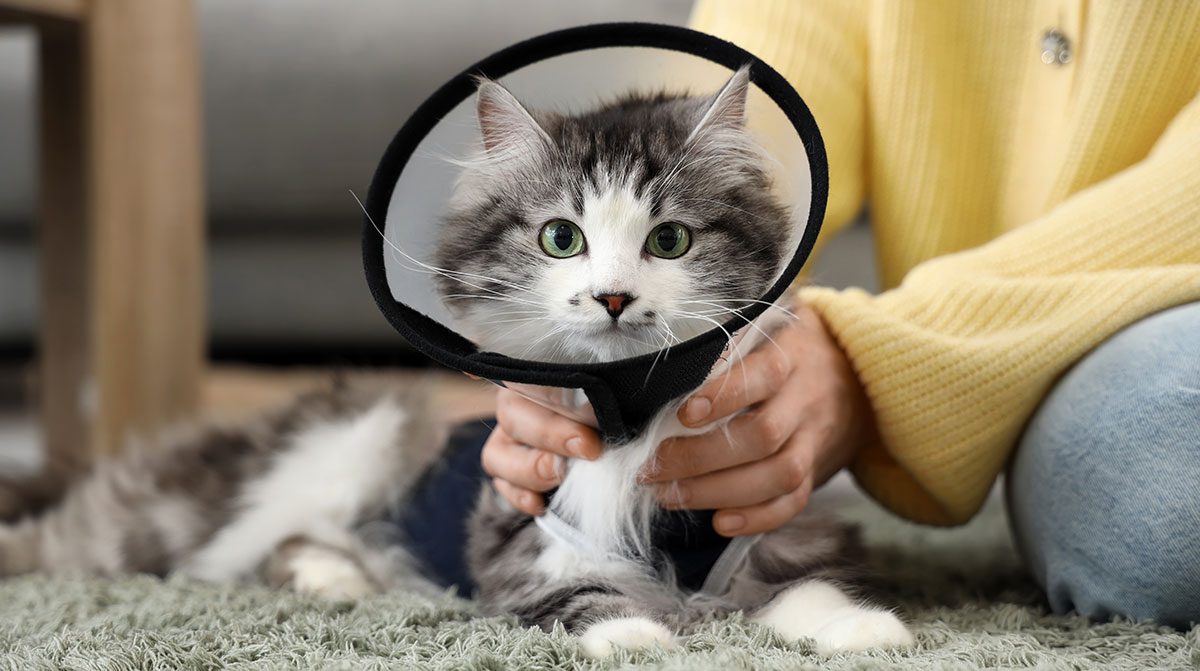
Most pets need a quiet recovery period after surgery, with limited activity while the incision heals.
Your pet may be sleepy or less interested in food shortly after anesthesia. Some pets seem ready to return to normal activity quickly, but their incision still needs time to heal even when they feel energetic.
At home, you’ll generally need to:
-
Keep your pet’s activity calm and controlled.
-
Prevent running, jumping, and rough play during the initial healing period.
-
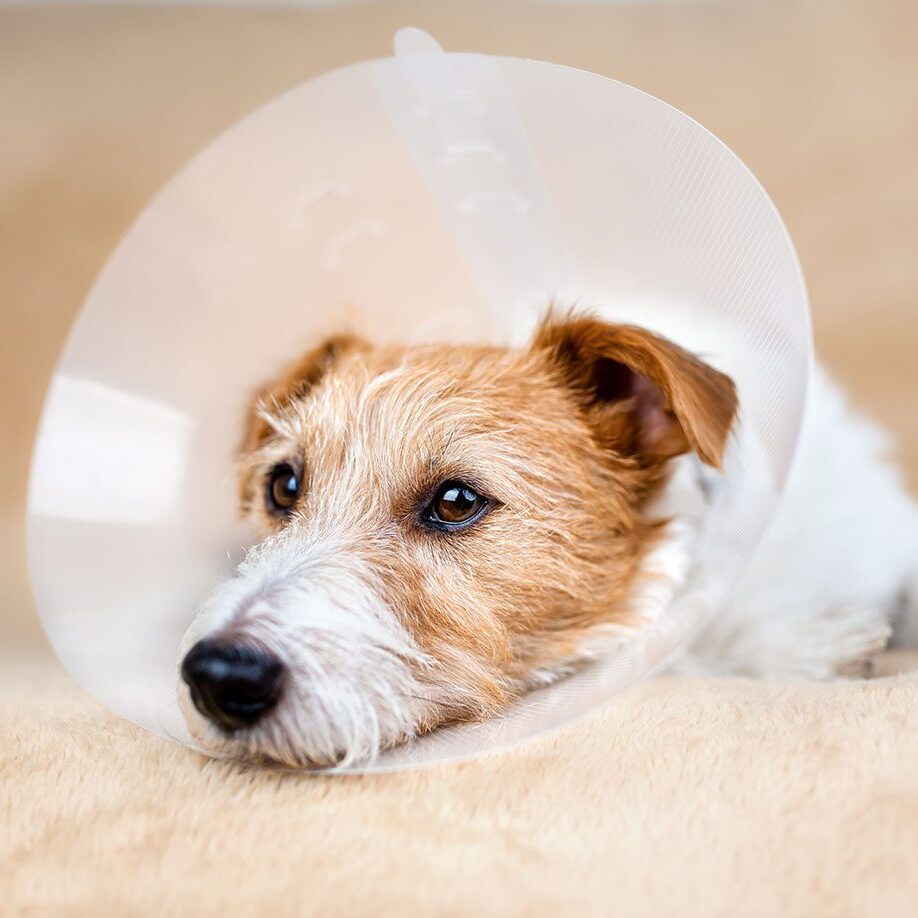
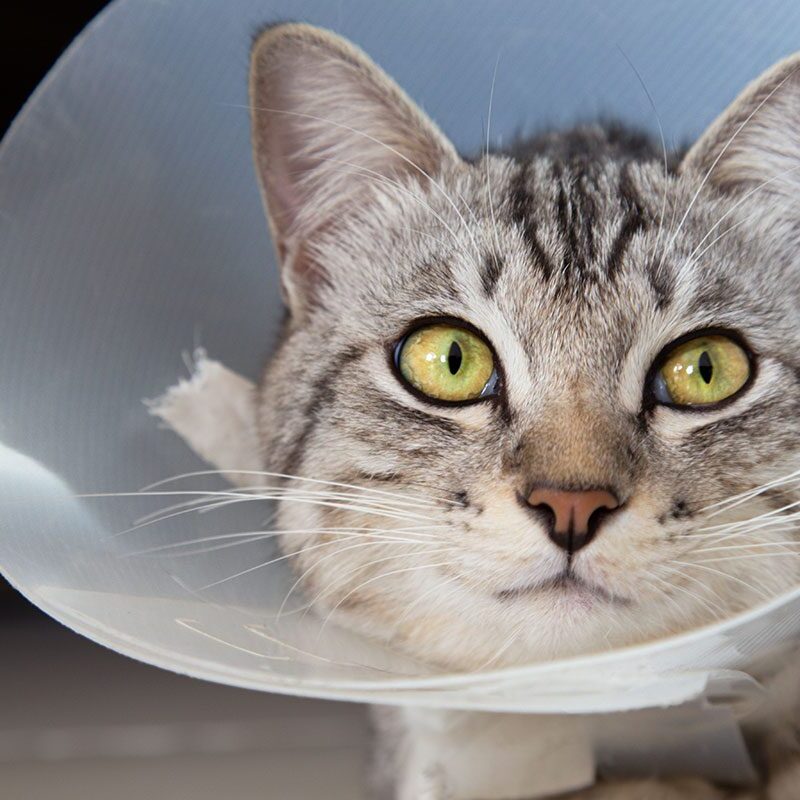
Stop your pet from licking or chewing the incision.
-
Check the surgical site daily for unusual swelling, discharge, opening, or increasing redness.
-
Give any prescribed medications exactly as directed.
-
Follow the discharge instructions provided by our veterinary team.
Recovery can look a little different for every pet, so we’ll explain what is normal for yours and when we want to hear from you.
Unsure of the best time to have your pet spayed or neutered? Contact our team and discuss the ideal time for surgery.