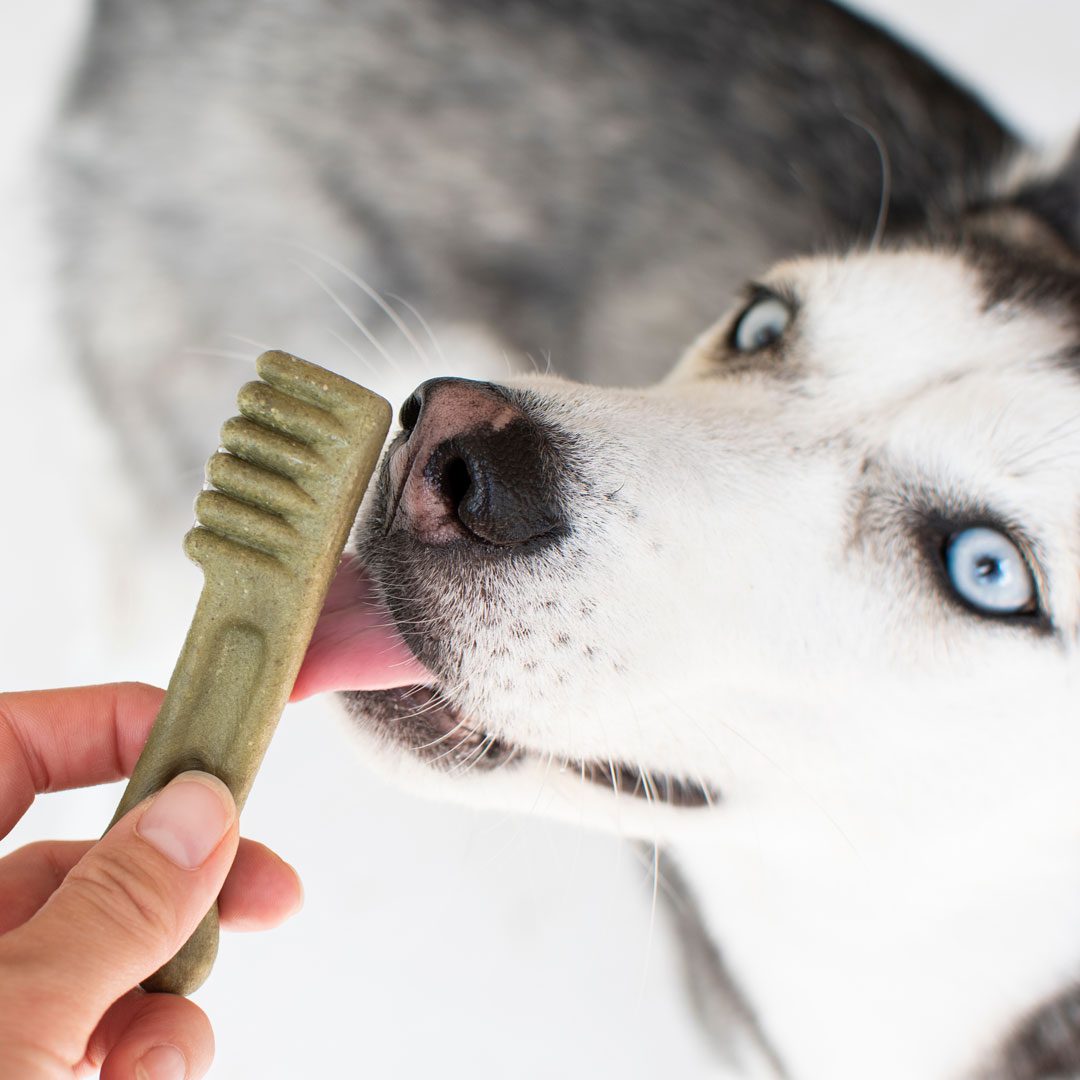
Healthier Smiles, Happier Pets: Cat and Dog Teeth Cleaning in Aurora and Commerce City, CO
Dental problems can be easy to miss until they start affecting how your pet eats, plays, or feels. Denver Metro Animal Hospital and Urgent Care provides cat and dog teeth cleaning for pets in Aurora and Commerce City, CO, with professional cleanings, tooth-by-tooth examinations, extractions, and minor oral surgery when needed.
Our team will evaluate your pet’s mouth, explain what we find, and talk with you about the care we recommend. The goal is to address dental disease early, relieve discomfort, and help keep your pet eating comfortably.
Schedule a dental evaluation at our Aurora or Commerce City location to get started.
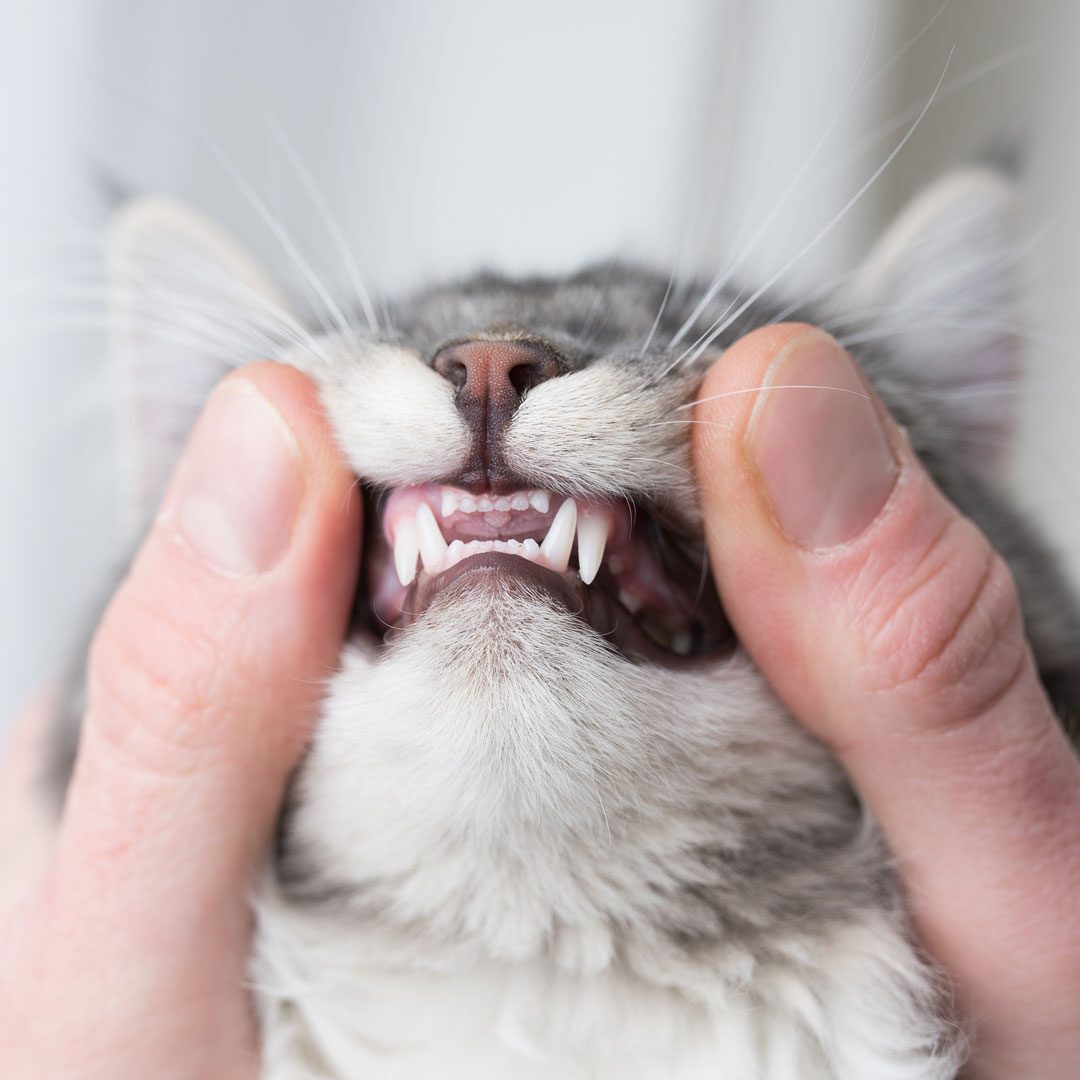
How Can I Tell if My Pet Has Dental Disease?
Bad breath is one of the most common signs, but it is far from the only one.
Watch for changes such as:
-
Red or swollen gums
Inflamed gums may look bright red or irritated.
-
Visible tartar
Yellow or brown buildup may collect along the teeth.
-
Bad breath
Persistent odor can be a sign of bacterial buildup or oral disease.
-
Difficulty chewing
Pets may chew slowly, drop food, or avoid harder treats.
-
Pawing at the mouth
Some pets rub their face or paw at painful areas.
-
Loose or damaged teeth
Broken, worn, or mobile teeth may need treatment.
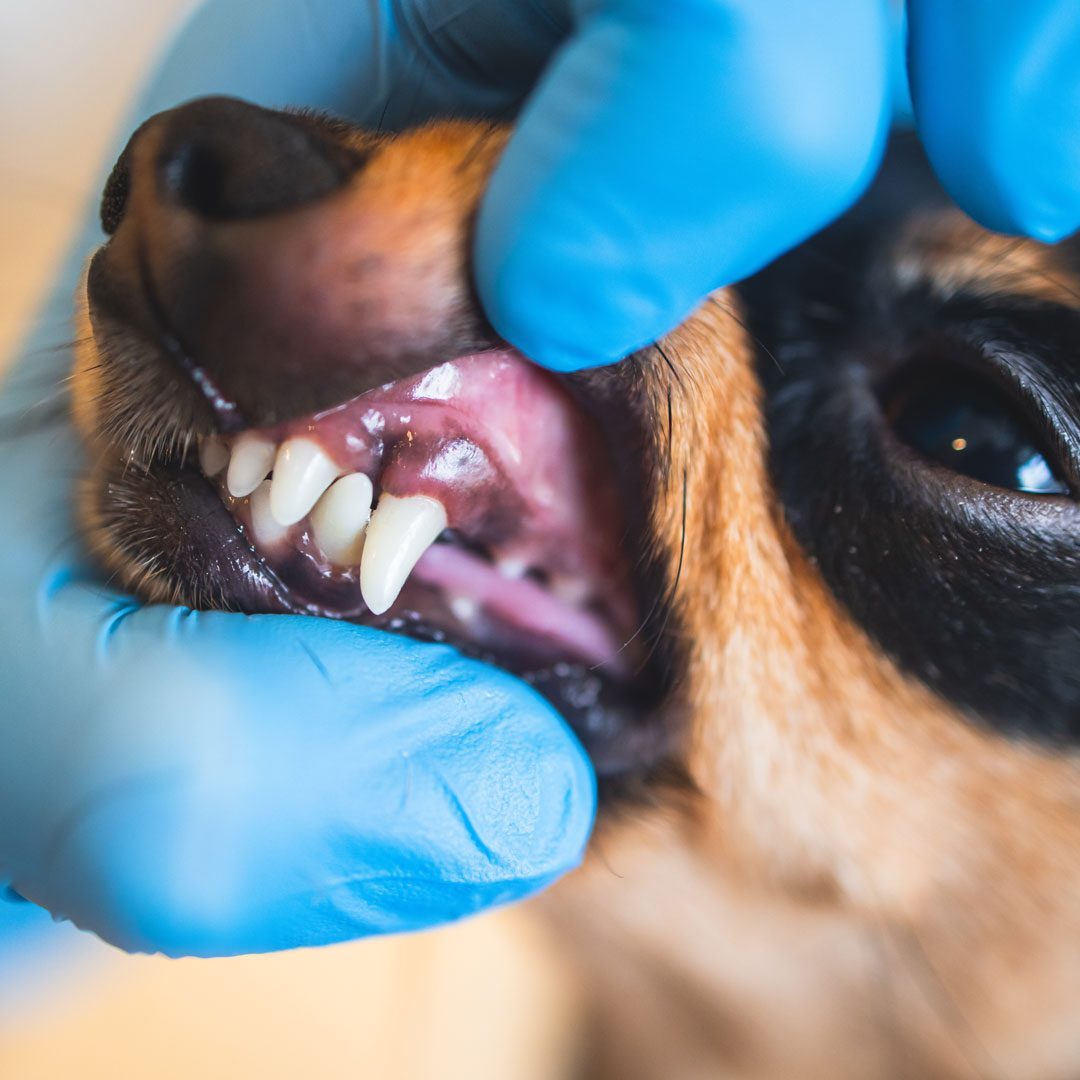
What Happens During a Cat and Dog Teeth Cleaning?
A professional dental cleaning allows our team to thoroughly clean your pet’s teeth and examine each tooth for signs of disease.
Because pets cannot hold still for a complete cleaning and oral examination, the procedure is performed under anesthesia. Once your pet is safely anesthetized, our team cleans the teeth, removes buildup, and evaluates the mouth tooth by tooth.
If a tooth is diseased, damaged, or painful, an extraction may be recommended. Denver Metro Animal Hospital and Urgent Care also performs minor oral surgery when appropriate. If we find a problem that requires care beyond what we can provide in-house, we can discuss referral options with you.
What Should I Expect After My Pet’s Dental Cleaning?
Recovery depends on whether your pet had a routine cleaning or needed teeth extracted.
After a cleaning without extractions, many pets are simply sleepy for the rest of the day and may have a smaller appetite while the anesthesia wears off. Most can gradually return to their normal routine, and we’ll let you know about any temporary feeding or activity changes before you head home.
If extractions were performed, your pet may need a little more time to heal. Mild swelling, tenderness, or a small amount of blood-tinged saliva can occur, and softer food may be recommended for a period of time. You may also need to avoid hard treats, chew toys, or anything that could irritate the healing areas.
Our team will review any prescribed medications, feeding instructions, and signs to watch for before discharge. Contact us if you notice heavy bleeding, significant swelling, repeated vomiting, worsening pain, refusal to eat beyond the expected recovery period, or anything else that concerns you.
If you have noticed bad breath, tartar, trouble chewing, or simply are not sure when your pet last had a dental cleaning, our team can help you decide what comes next.