
Why Is My Dog Vomiting Yellow Foam?
A dog vomiting yellow foam is usually bringing up bile, a digestive fluid made by the liver that can back up into an empty stomach and irritate its lining. Sometimes the cause is as simple as too much time between meals, but yellow foam can also point to gastritis, pancreatitis, an intestinal blockage, or kidney or liver disease. Watching your pup heave a puddle of bright yellow froth onto the rug is unsettling, and it’s natural to wonder whether it’s a one-time hiccup or a sign of something bigger. At Denver Metro Animal Hospital and Urgent Care, we hear this question from Denver pet owners nearly every week. This blog covers the most common reasons behind a dog vomiting yellow foam, what grass-eating may have to do with it, how kidney-related vomiting looks different, and the warning signs that mean your dog should be seen the same day.
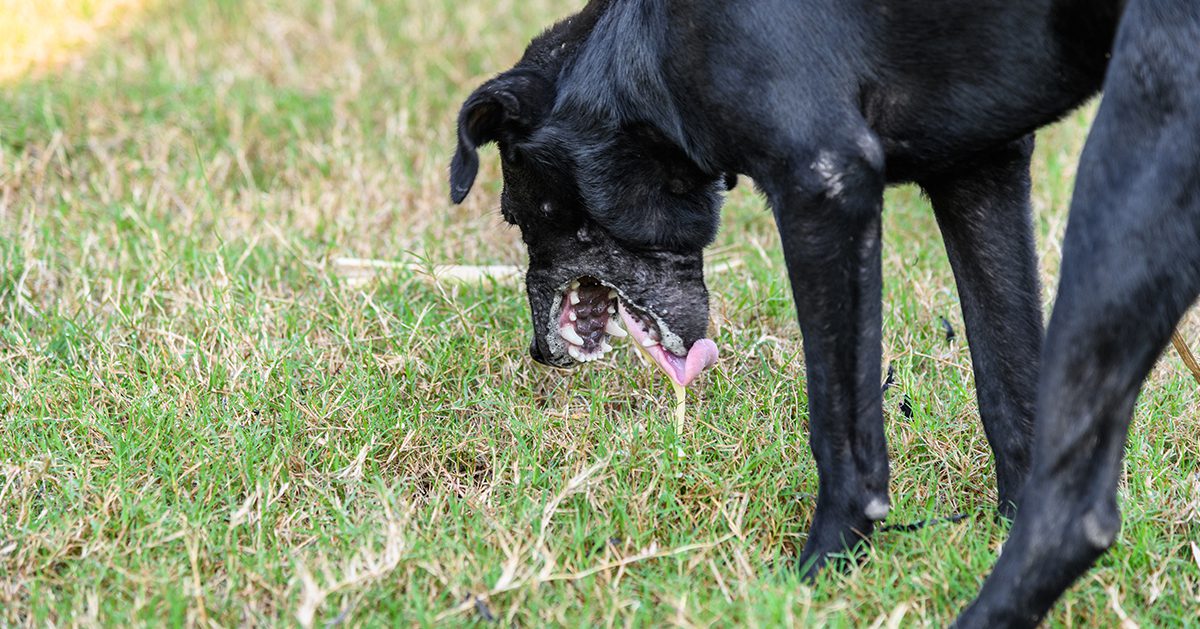
Why Is My Dog Vomiting Yellow Foam and Eating Grass?
A dog vomiting yellow foam and grazing on grass is a common pairing, and it usually tells us your dog’s stomach feels unsettled.
What the Yellow Color Tells You
Bile normally flows from the gallbladder into the small intestine to help break down fats. When the stomach sits empty for a long stretch, bile can drift backward into it. Bile is acidic and irritating, so the stomach responds by pushing it back up, mixed with saliva and gastric fluid, which creates that frothy texture. Many dogs who do this vomit in the early morning or late at night, right before a meal. Veterinarians sometimes call this pattern bilious vomiting syndrome.
An empty stomach isn’t the only explanation, though. Common reasons for a dog vomiting yellow foam include:
- Long gaps between meals, especially overnight
- Dietary indiscretion, such as raiding the trash or snacking on something found during a hike
- Gastritis or inflammatory bowel disease
- Food sensitivities or a sudden change in diet
- Pancreatitis, often following a fatty meal or table scraps
- Swallowed objects causing a partial or full intestinal blockage
- Intestinal parasites
- Liver disease, kidney disease, or hormonal conditions like Addison’s disease
The Grass-Eating Connection
Plenty of healthy dogs nibble grass simply because they like it. However, when a dog frantically gulps grass and then vomits yellow foam, nausea is a likely driver. Some experts believe dogs instinctively seek out grass when their stomach feels off, though research hasn’t confirmed that theory. Either way, frequent grass-eating paired with vomiting is a pattern worth mentioning to your veterinarian, particularly if lawns along your route might be treated with fertilizer or pesticides.
Should I Feed My Dog After Vomiting Yellow Foam?
This is one of the first questions owners ask, and the honest answer depends entirely on what’s causing the problem.
Why Feeding Decisions Belong With Your Veterinarian
If an empty stomach is to blame, your veterinarian may eventually suggest adjusting meal timing or portion sizes. If the cause is a swallowed sock, pancreatitis, or kidney disease, offering food could make things worse. A dog with a blockage, for example, can’t move food through the intestines, so a meal may lead to more vomiting, dehydration, and pain. Because you can’t tell these situations apart by looking at the vomit alone, it’s best to call your vet before deciding what or when your dog should eat after vomiting yellow foam.
Is There a Safe Home Remedy for Dog Vomiting Yellow Foam?
Online forums are full of home remedies, from over-the-counter stomach medications to herbal teas. We don’t recommend trying any of them without professional guidance. Several popular human stomach products contain ingredients that can be harmful to dogs, and some remedies can mask symptoms that your veterinarian needs to see. Even a remedy that seems to help may delay a diagnosis of a condition that responds best to early treatment.
What you can do at home is observe and take notes. Jot down when each episode happened, how many times your dog vomited, whether the vomit contained food, grass, or anything unusual, and whether your dog is still drinking, eating, and acting like themselves. If you suspect your dog got into something, such as medication, a plant, or garbage, bring the packaging or a photo. These details help our team at Denver Metro Animal Hospital and Urgent Care narrow down the cause quickly and choose the right next steps.
What Does Kidney Failure Vomit Look Like in Dogs?
When kidney disease is behind a dog vomiting yellow foam, the vomit can look a lot like ordinary bile at first, which is why the surrounding symptoms matter so much.
How Kidney Disease Affects the Stomach
Healthy kidneys filter waste products out of the bloodstream. When kidney function declines, those toxins build up and irritate the stomach lining, which can cause nausea, ulcers, and recurring vomiting. A dog in kidney failure might bring up yellow foam or bile, undigested food, or clear fluid. In more advanced cases, the vomit may contain fresh red blood or dark, grainy material that resembles coffee grounds, which signals bleeding in the stomach or upper intestines.
Because the vomit itself isn’t always distinctive, watch for these accompanying signs of kidney trouble:
- Drinking noticeably more water and urinating more often
- Breath with an ammonia or chemical smell
- Decreased appetite or gradual weight loss
- Lethargy, weakness, or reluctance to play
- Pale gums or sores inside the mouth
- Accidents in the house from a previously housetrained dog
How Veterinarians Confirm Kidney Disease
Kidney disease can only be diagnosed with testing. Bloodwork measures kidney values such as creatinine, BUN, and SDMA, while a urinalysis shows how well the kidneys concentrate urine. Senior dogs are at higher risk, but acute kidney injury can strike a dog of any age after exposure to toxins like antifreeze, grapes, raisins, or certain medications. If your older dog’s yellow foam vomiting comes with increased thirst, routine screening bloodwork is a smart move.
When to Worry About Your Dog Vomiting Yellow Foam
Not every case of a dog vomiting yellow foam is an emergency, but knowing where the line falls can help you act quickly when it counts.
A Single Episode vs. a Recurring Pattern
A dog vomiting yellow foam once, then bouncing back with a normal appetite, energy, and bathroom habits, may simply have had an empty stomach. That still deserves a mention at your next visit. A pattern is different. If your dog vomits yellow foam several mornings a week, or the episodes are becoming more frequent, an underlying issue like gastritis, food intolerance, or early organ disease may be involved, and an exam is the right next step.
Signs That Call for Same-Day Care
Some symptoms mean your dog needs to be seen right away rather than waiting for a routine appointment:
- Vomiting more than two or three times in a few hours
- Repeated retching that produces little or nothing, especially with a swollen belly, which can indicate bloat
- Blood or coffee-ground material in the vomit
- A painful, tense abdomen or a hunched posture
- Weakness, collapse, or extreme lethargy
- Refusing water or showing signs of dehydration, such as tacky gums
- Known or suspected ingestion of a toxin, toy, or other object
Puppies, seniors, and dogs with existing health conditions can become dehydrated much faster than healthy adults, so it’s wise to call sooner rather than later when they’re vomiting. Trust your instincts, too. You know your dog’s normal better than anyone, and if something seems off, a quick call to your veterinary team is always worthwhile.
When to See the Vet for a Dog Vomiting Yellow Foam in Denver
If you notice your dog vomiting yellow foam more than once, shows any of the red flags above, or simply isn’t acting like themselves, it’s time to schedule a visit. Denver Metro Animal Hospital and Urgent Care offers both routine and urgent care, so you don’t have to wait days for answers when your dog’s stomach is upset. Our team can perform a thorough physical exam, run bloodwork, check for parasites, and use imaging to look for blockages or organ changes.
Once we understand why your dog is vomiting yellow foam, we’ll build a care plan tailored to their age, health history, and lifestyle, whether they spend weekends on Colorado trails or curled up on the couch. To speak with our team or request an appointment, call our Commerce City, CO animal hospital at 303-288-4955 or our Aurora, CO animal hospital at 720-859-7788.
Recent Posts
About Us
We provide compassionate, modern veterinary care for pets at our two convenient locations in Aurora and Commerce City, CO. Our experienced team offers preventive, diagnostic, surgical, and urgent care to support pets through every stage of life.